A behind‑the‑scenes look at how Kraft Heinz is removing, replacing, or reinventing FD&C colors—while maintaining taste, quality, and consumer trust.

By: Rachel Drof
Head of Innovation & Portfolio Evolution, Hydration, Desserts & Meals
Key Takeaways:
- To meet consumer dietary needs and preferences, we’re evolving our brands, including removing FD&C colors from our U.S. portfolio by the end of 2027 and introducing new product lines without any artificial colors.
- In just 11 months, we’ve made significant progress removing artificial colors, reinventing new shades, or replacing them with natural colors.
- Our natural colors undergo extensive testing to ensure we’re delivering on consumer expectations.
Today’s Consumer Wants Something Different – And We’re Delivering
We know that consumer preferences are changing and their expectations around food ingredients are evolving – research shows that around 70% of consumers are looking for shorter, simpler, cleaner ingredient statements (Hartman Group, Inc, 2025).
In June 2025, we became the first large CPG company to announce that we were responding to these shifts by committing to remove FD&C colors from our U.S. portfolio by the end of 2027 and promising not to launch new products with the colors from that point forward. We were in a favorable position with 90% of our products already free of FD&C colors.
We’ve Made Meaningful Progress
Over the past year, we’ve moved quickly to advance our FD&C colors commitment—renovating 15 brands and building a strong pipeline of new products without artificial colors.
- Of the products identified as opportunities to “replace” FD&C colors with existing natural alternatives, 85% of the products have been successfully matched with natural colors
- Two natural dye formulations have been identified per product to ensure flexibility across sourcing, development and shelf life conditions
- More than 450 formulas are locked and moving through trials, consumer testing, and shelf life validation
- Since June 2025, all of our new products in North America have not had any artificial colors like JELL-O Simply and Kool-Aid Hydration
“Our Kraft Heinz team is actively testing hundreds of formulas as we work to replace FD&C colors with natural alternatives, and we’ve already started bringing new products to market without any artificial colors.”
-- Rachel Drof, Head of Innovation & Portfolio Evolution, Hydration, Desserts & Meals
Our latest products to launch without FD&C colors -- JELL-O Simply and Kool-Aid Hydration
Our Approach: Remove, Replace, Reinvent
For the small portion of products that currently contain FD&C colors, we are following a three-prong approach:
- Remove colors when they are not essential to the consumer experience (ex: beverages in a foil pouch)
- Replace FD&C colors with natural alternatives where available (ex: use fruit juice instead)
- Reinvent colors and shades when no direct natural replacement exists (ex: shift kiwi-strawberry from green to pink)
For products like Kool‑Aid Jammers, research showed that the consumer experience is driven primarily by taste rather than appearance. Because the foil pouch limits visibility, our teams were able to remove color without impacting the consumer experience and validated this through kid‑focused qualitative research and in‑home usage testing.
We Build with Consumers at Every Step
We involve consumers throughout the entire process. We begin with foundational research to understand the role of color across brands and categories, then evaluate where removal, replacement, or reinvention would have the greatest impact.
Our consumer testing typically includes:
- Foundational research on the role of color
- Hands‑on evaluation of product and communication approaches
- Dedicated testing on packaging and claims to ensure clarity on change
- Full‑bundle testing of product, packaging, and claims to assess appeal and risk
Consumers evaluate more than color alone. They give us feedback on the flavor, texture, culinary performance and overall enjoyment.
FUN FACT: In our consumer testing of naturally colored MIO Fruit Punch, we found that consumers liked the natural version’s color and appearance just as much as the original version.
Inside our Glenview Sensory Lab where we conduct consumer testing
The Challenge of Getting Natural Colors Right
The most challenging work is finding natural replacements for FD&C colors that still look as close as possible to what consumers currently enjoy. Our teams have had to be creative to identify naturally occurring colors that not only present in a way that consumers will recognize, but that will also maintain their vibrancy while on shelf, in pantries and even when baked into cakes.
Exposure to light (grocery stores) and heat (ovens) makes maintaining true color matches difficult, especially for blues and greens. For products like Kool‑Aid Burst Berry Blue, the teams are exploring different blue and “icy” shades that preserve brand familiarity while working within the constraints of natural color sources.
FUN FACT: For JELL-O, our culinary team started by surveying consumers to identify the top five ways people use JELL-O packets. From there, the team tested versions made with natural colors to see how they performed under real‑world conditions—like high heat or when mixed with ingredients such as eggs, which can cause colors to fade or disappear. The goal was to ensure the natural colors still met consumer expectations.
Our culinary expert, Megumi, testing common consumer recipes with our naturally colored JELL-O
To manage risk at scale, we typically develop two natural color formulations per product, helping ensure ingredient availability, manufacturability, and shelf‑life performance. We consider a formula “locked” once it is approved to move into consumer trials and further validation.
From Test Kitchen to Production Line
A formula that performs well in our test kitchens must also succeed at scale, which can introduce new variables that can impact color presentation, including equipment interactions, ingredient handling, and processing conditions.
During plant trials, our teams assess whether products consistently meet expectations for appearance, texture, taste, and performance. Success is defined by repeatability—ensuring consumers receive the same experience every time, across all intended use cases.
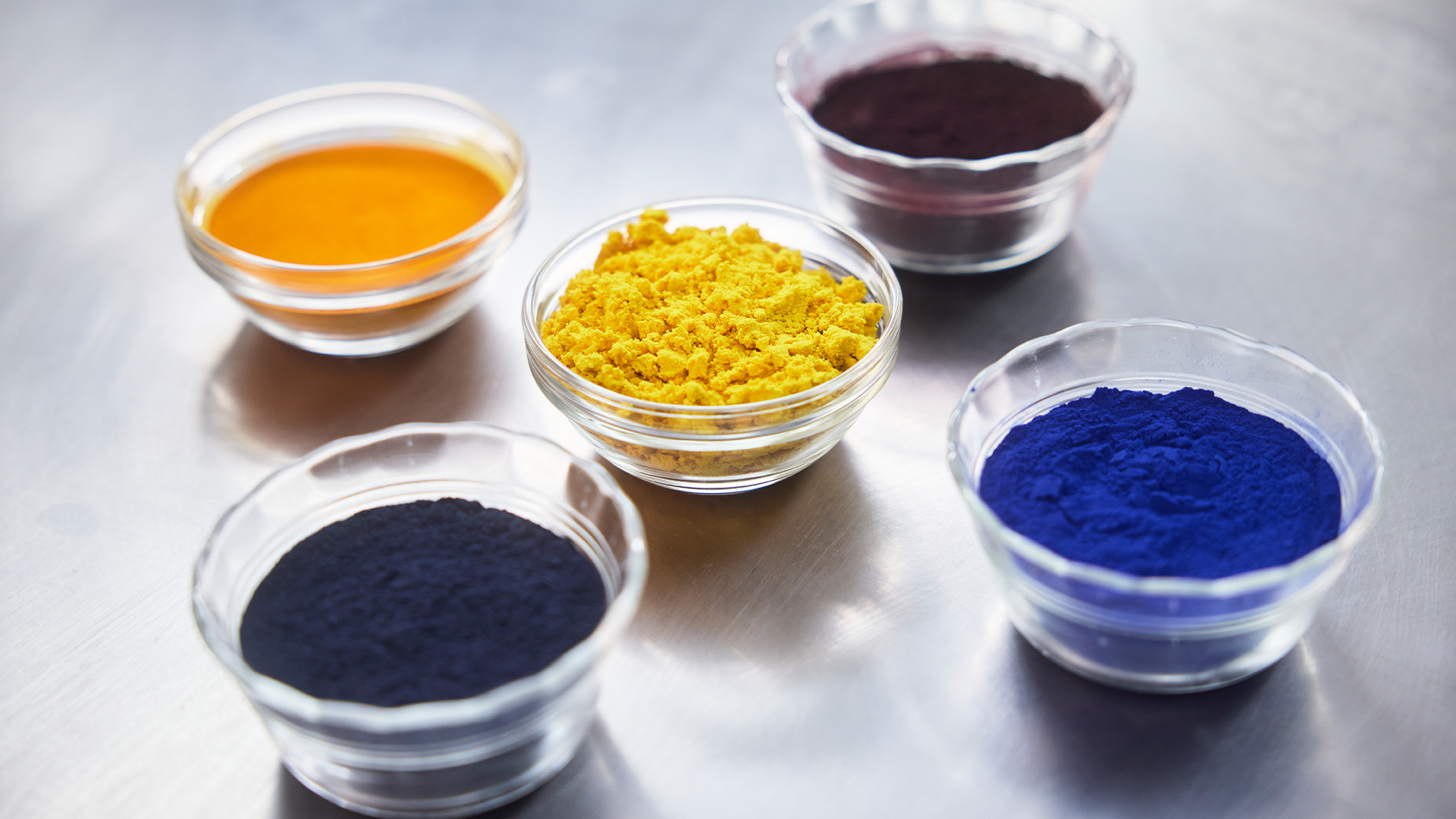
Samples of natural colors used in our JELL-O products
Making Sure New Recipes Hold Up Over Time
Shelf‑life testing is one of the most time‑intensive stages of the process. Because natural colors can change over time, long‑term evaluation is critical. Our teams monitor multiple attributes over months, with checkpoints built into the development process.
Developing multiple formulations per product helps balance speed with confidence—ensuring products perform as expected throughout their shelf life without compromising food safety.
FUN FACT: To test the shelf life of products like Kool-Aid Burst, Kraft Heinz uses specialized equipment to simulate 1 year of store light exposure in just 7 days.
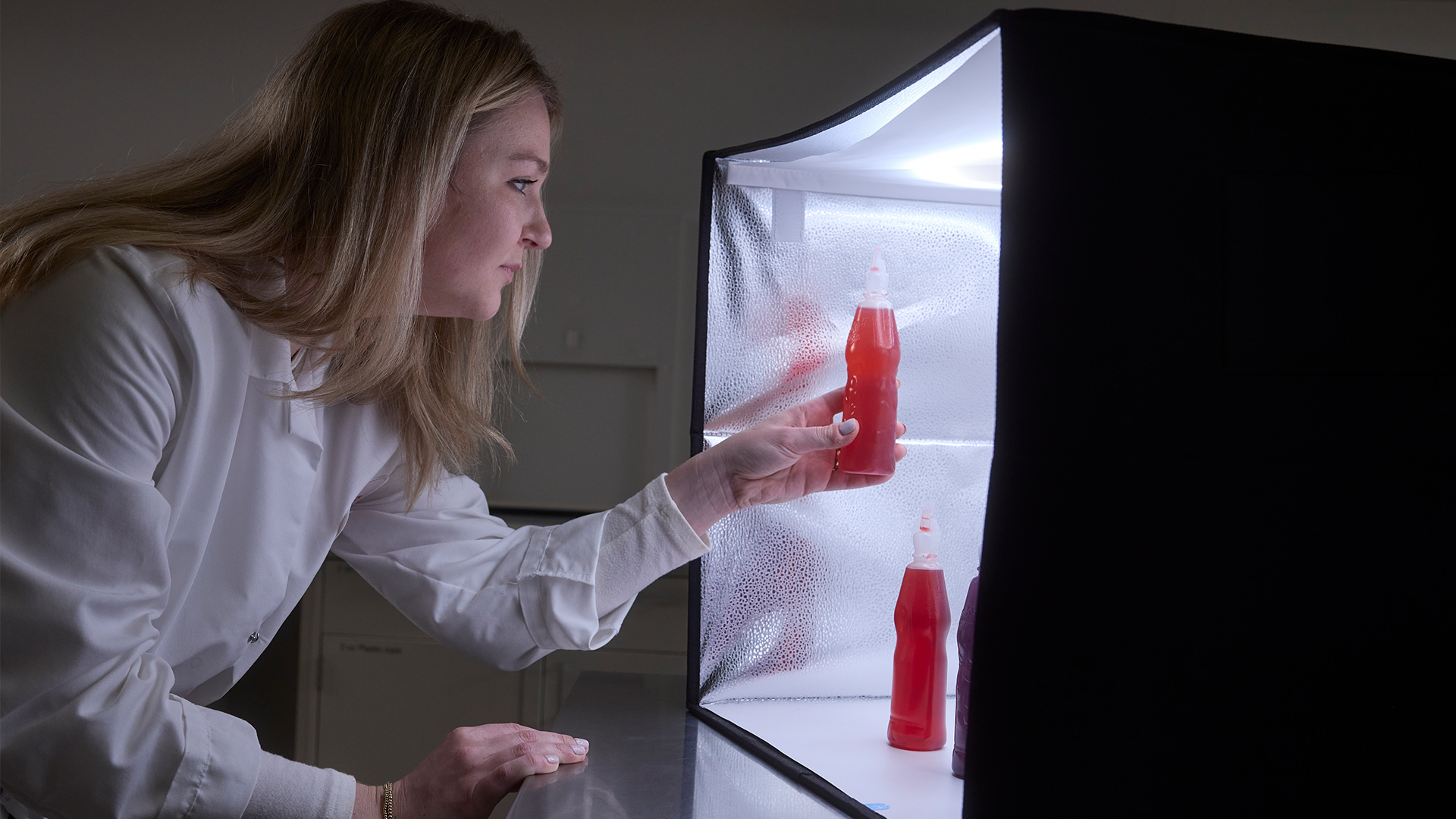
Our Research and Development Manager, Taylor, conducting shelf-life testing on Kool-Aid Burst
What Comes Next
At Kraft Heinz, this work reflects a broader philosophy: delivering progress at scale while preserving consumer trust. Managing a portfolio of this size requires discipline, patience, and flexibility—ensuring we offer a range of options that meet different consumer needs while maintaining taste, quality, and performance.
Frequently Asked Questions
- What are FD&C colors?
FD&C colors are formally called “Food, Drug and Cosmetic colors” and are approved by regulatory authorities for use in food and beverages, as well as many other products.
- Is Kraft Heinz removing FD&C colors from all products?
We are removing FD&C colors from our US portfolio. The majority of our products are already free from FD&C colors.
- Why not replace all FD&C colors immediately?
Natural colors behave differently and require extensive testing to ensure taste, appearance, shelf life, and consumer satisfaction. Beginning in June 2025, we did not launch any new products containing FD&C colors.
- Are FD&C colors safe?
Yes. FD&C colors are backed by science and approved by global regulatory authorities